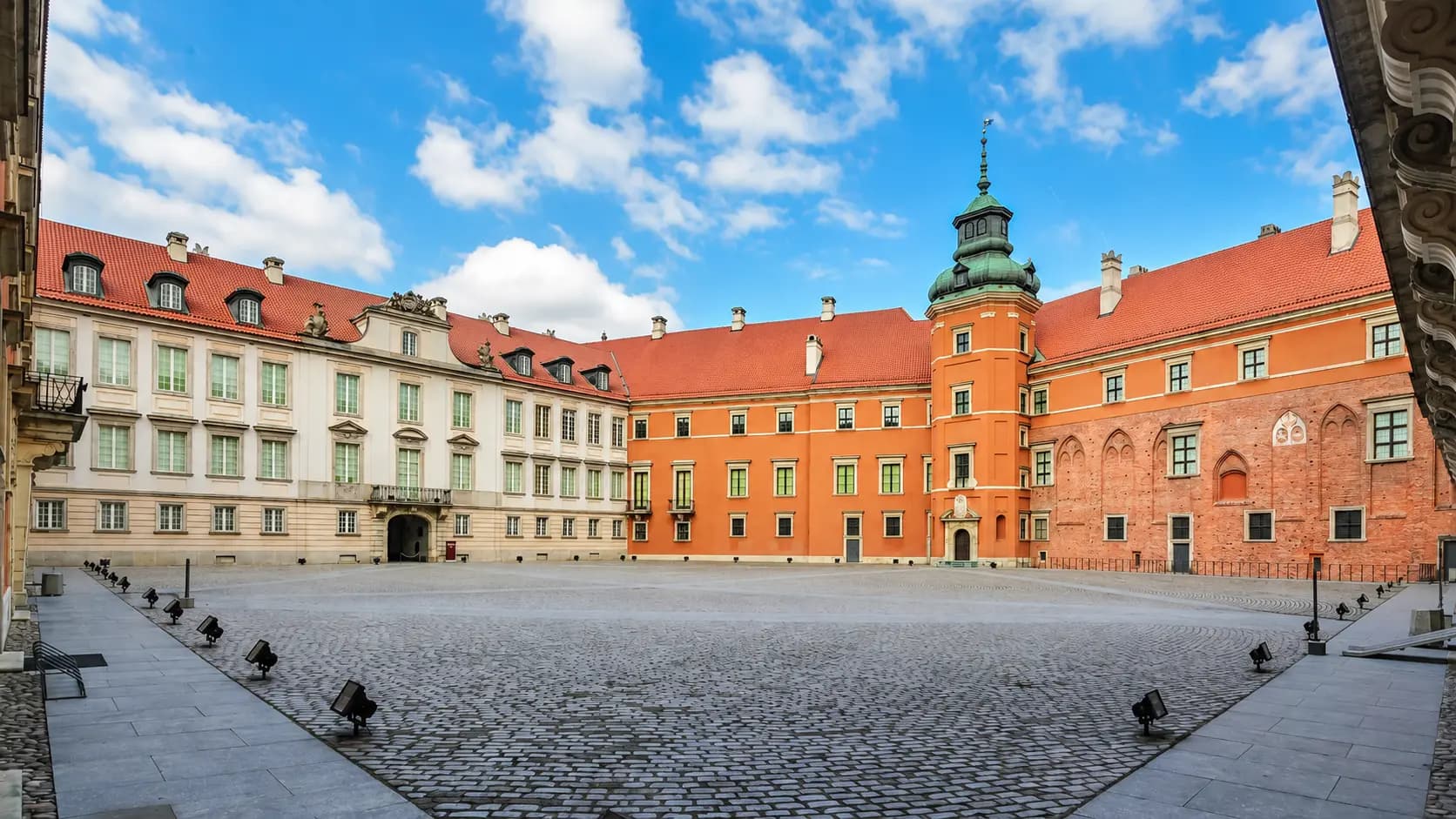
Warsaw Citadel and the Polish History MuseumA fortress landscape and a wider national story.
Explore Polish history, identity and heritage.
Suggested visit
Location
Visit focus
Visitor update: October 25, 2026
The Polish History Museum’s permanent exhibition is not yet open. The museum currently presents temporary exhibitions, while the permanent exhibition is planned for 2027. Check the current program and confirmed opening arrangements before planning a visit around a particular exhibition.
Warsaw Citadel and the Polish History Museum
Warsaw Citadel changes both the geography and the scale of a historical visit. North of the compact Old Town, the former fortress brings the city’s experience of imperial rule into view. Within that landscape, the Polish History Museum introduces another role for the site: a place for public encounters with the national past. The grounds, the museum building and the exhibitions should be planned as related but separate experiences. Knowing what is available matters more than treating the whole complex as a single attraction with one automatic route.
Why a fortress was built here
The Citadel was built in the 1830s under Russian rule after the November Uprising. It was associated with the control of Warsaw and with political imprisonment, rather than the life of a Polish royal court.
That origin distinguishes it from the city’s palaces and the medieval defensive boundary of the Old Town. The scale and separation of a fortress create a different relationship with the surrounding city.
A first visit should begin with this context. Looking at the site only as impressive brick architecture risks missing the historical purpose behind its form.
A landscape with more than one institution
The Citadel contains several museum and remembrance sites. They have different subjects and visitor arrangements; being within the same historic complex does not make them interchangeable parts of one admission ticket.
Choose the institution that matches your interests before setting a meeting point or transport plan. An architectural introduction to the grounds is different from a focused exhibition visit or time at a memorial site.
The history of imprisonment and repression should be approached with care. It needs explanation and appropriate pacing, not a sensational presentation or the language of a recreational fortress adventure.
The Polish History Museum
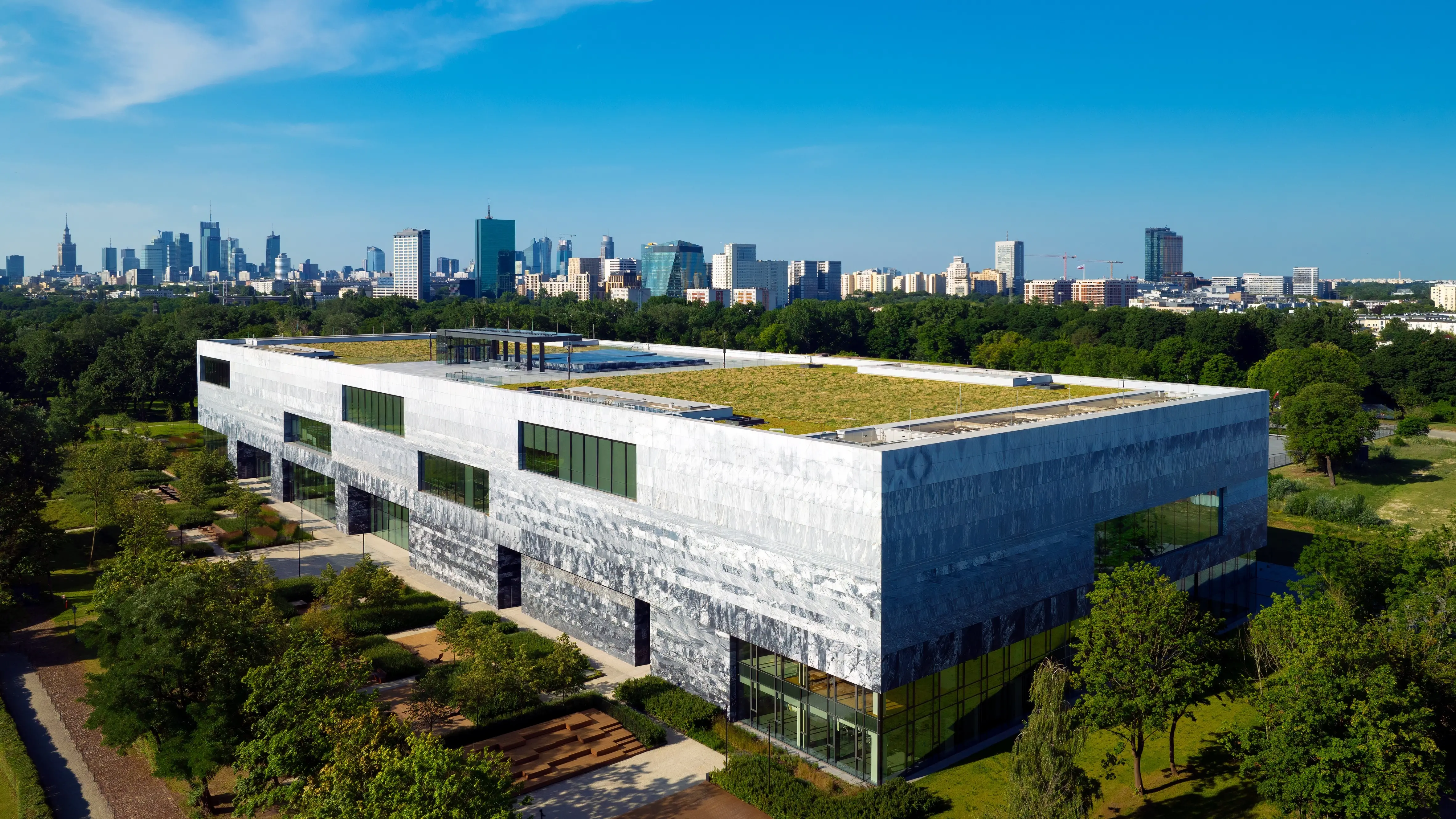
The Polish History Museum places a national-history institution within this charged setting. Its contemporary building and public program create a contrast with the earlier purpose of the fortress, inviting visitors to think about how the past is collected and presented.
An exhibition in a national history museum can address a particular period or theme rather than offering a complete survey. Read the actual program before deciding what the visit will contribute to your trip.
This is especially important during the development of the museum’s permanent exhibition. The existence of the building is not evidence that every planned gallery is already open. Use the dated visitor update on this page when arranging admission.
Architecture is a separate reason to come
A visit can also focus on the relationship between a contemporary museum and its historic surroundings. Consider how the new building changes the experience of arrival, movement and public space within a former fortress.
An exterior architectural walk does not require pretending that all of the museum’s future exhibition plans are already available. It does, however, require an accurate understanding of entrances, routes and any spaces that are restricted.
For groups with a strong architecture interest, agree that focus explicitly. It allows the visit to stand on its own merits rather than becoming a substitute for an unavailable gallery.
Build a northern Warsaw day
The Citadel can be combined with the New Town or Żoliborz, but allow for the distance between individual stops and the time required inside the museum. They are not all part of one compact market-square circuit.
For historical context within the city, the Warsaw Rising Museum and POLIN address distinct subjects. The Museum of Warsaw offers a longer urban perspective through its collections. Choose the combination according to the question you want to explore, rather than attempting to cover the country’s entire history in one day.
Our Warsaw guide helps place this northern part of the capital alongside the royal streets, central museums and riverside areas.
YOUR WARSAW VISIT
See Warsaw your way
From an Old Town walk to a longer stay in the capital, tell us what you would like to experience. Share your dates, group size and interests, and we will help shape a visit around you.
Warsaw
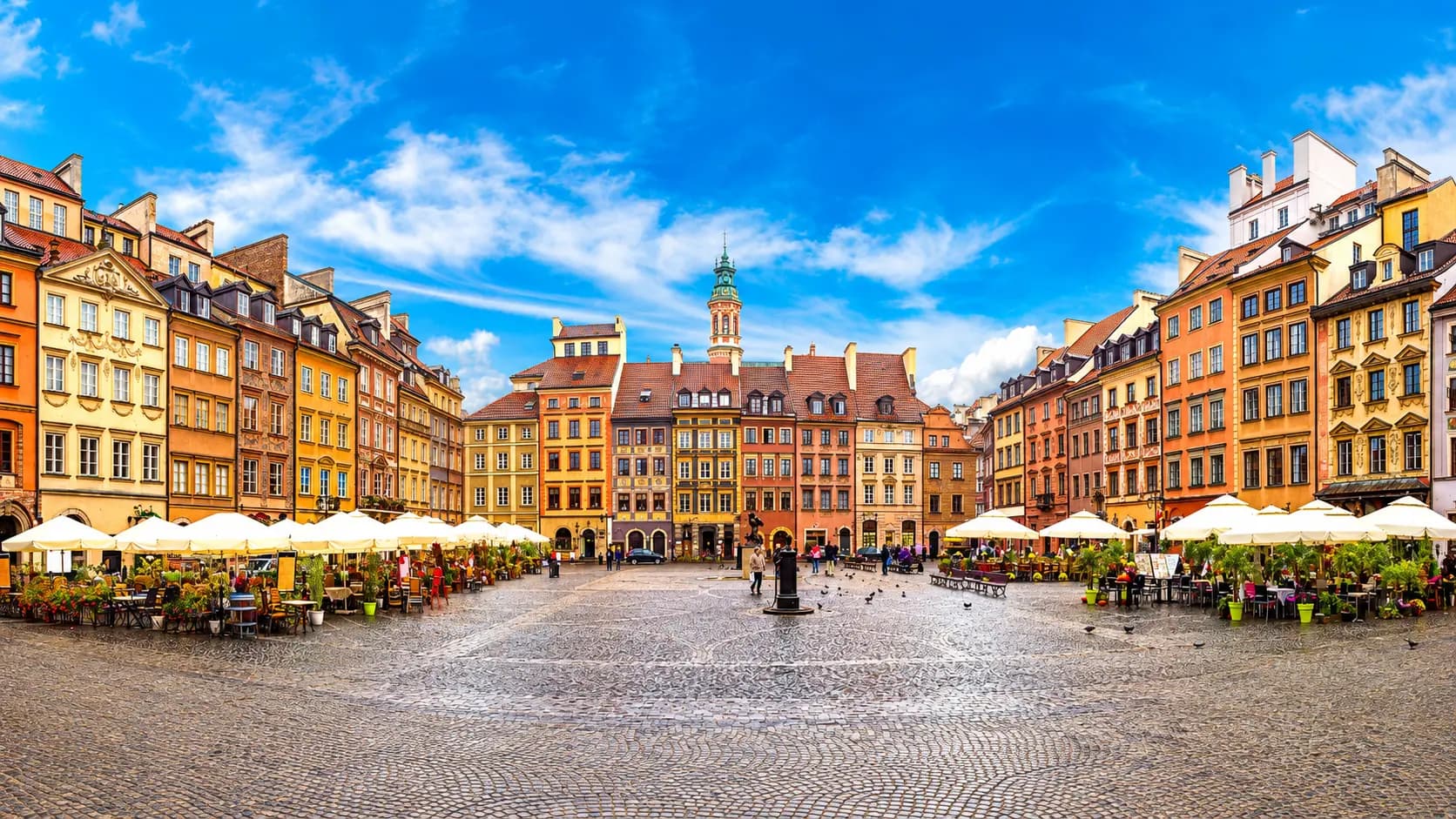
Warsaw Old Town and Castle Square