The National MuseumArt that takes the journey beyond Warsaw.
Explore the richness of Polish art, from medieval treasures to modern masterpieces.
Suggested visit
Location
Visit focus
The National Museum
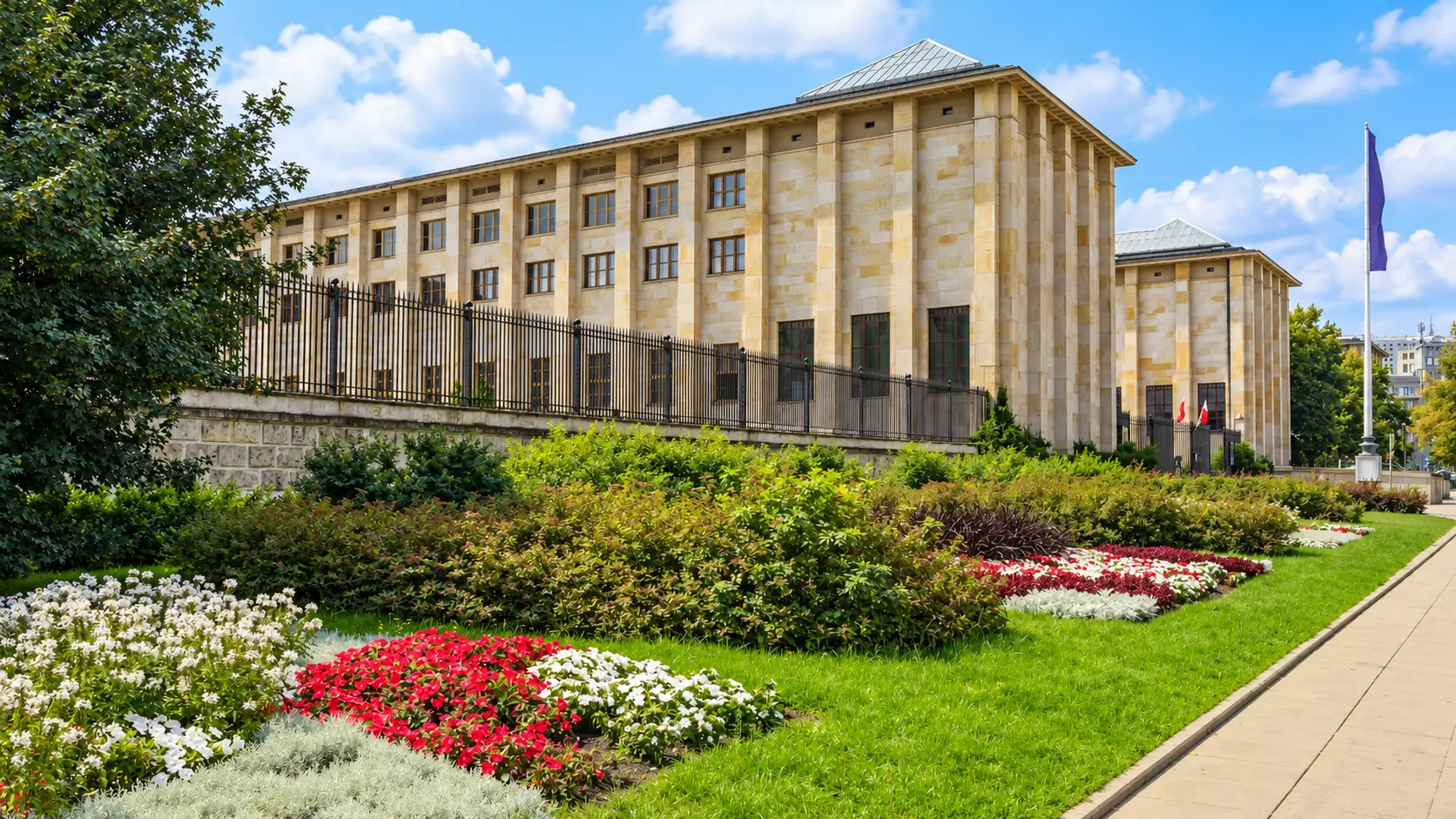
The National Museum in Warsaw is an opportunity to build a day around art rather than the chronology of the capital. Its collections bring together different places, periods and ways of making images and objects. The most satisfying visit begins by choosing a direction, not by deciding to see everything.
For a first encounter, consider three distinct routes into the museum: Christian Nubian painting, nineteenth-century art, or Polish design. Each leads to different questions and a different kind of looking.
Faras: paintings with a journey behind them
The Faras Gallery presents medieval wall paintings from a cathedral in what is now Sudan. They belong to the history of Christian Nubia, a subject that may be unfamiliar even to visitors who know European medieval art well.
The paintings were recovered during an international effort to save heritage threatened by the creation of the reservoir associated with the Aswan High Dam. Polish archaeologists played a central role at Faras. This gives the gallery a second story alongside the art itself: excavation, conservation and the responsibility involved in moving and preserving historic works.
Look at the relationship between a surviving fragment and the architectural setting it once occupied. These were not originally independent pictures intended for a modern gallery wall.
Nineteenth-century art and the stories paintings tell
The nineteenth-century galleries place Polish art in conversation with wider European developments. Historical subjects, portraits, landscape and changing approaches to representation offer several possible threads.
A large historical painting and a smaller landscape ask for different kinds of attention. One may organize the past into a dramatic public narrative; another may concentrate on light, place or everyday observation. Comparing those purposes can be more revealing than moving through the rooms only by date.
Choose a small number of works to examine closely. Ask what the artist has emphasized, who the intended viewer might have been and how the image relates to the period in which it was made.
Polish design and familiar things
The Gallery of Polish Design brings everyday objects into the museum conversation. Furniture, textiles, household equipment and other designed forms show how artistic ideas meet production and use.
The collection also includes designs that remained prototypes rather than becoming widely available products. That difference makes an interesting question for a visit: are you looking at an object people actually lived with, or an idea about how life could have been organized?
This is a strong option for travelers interested in interiors, graphics and material culture. It also offers a change of pace after galleries centered on painting.
Build a route around your interests
We recommend choosing one principal collection area and one contrast. An art specialist may prefer longer in a single gallery, while a mixed-interest group can benefit from a shorter selection with a clear theme.
Check current gallery access and temporary exhibitions before fixing the plan. Collection ownership and permanent-gallery descriptions do not guarantee that every named work will be on display on a particular date.
A guided visit is most useful when it adds interpretation, not simply a longer list of objects. Share the group’s interests in advance so that the selection can reflect them.
Continue the artistic conversation
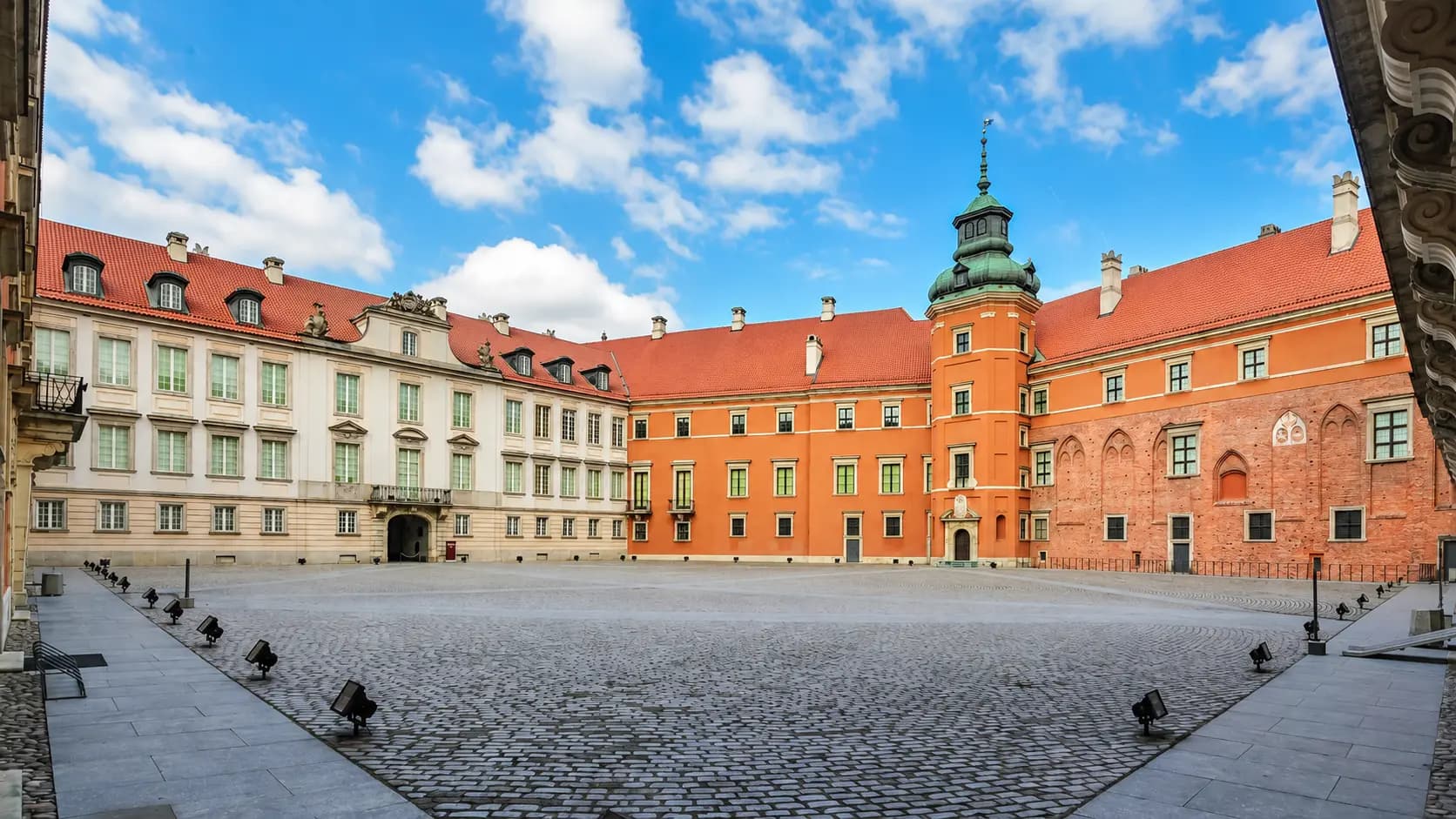
The Museum of Modern Art offers a different perspective through contemporary practice and changing exhibitions. The Royal Castle places works of art within royal interiors and the history of collecting.
For an outdoor extension, the Royal Route provides architecture and street life without requiring another immediate gallery visit. Our separate guides let you connect these experiences while keeping their subjects distinct. The National Museum is not a substitute for the Museum of Warsaw, whose focus is the city and the people who made it.
YOUR WARSAW VISIT
See Warsaw your way
From an Old Town walk to a longer stay in the capital, tell us what you would like to experience. Share your dates, group size and interests, and we will help shape a visit around you.