Museum of WarsawMeet the city through the things it kept.
Discover the lives behind the city’s streets.
Suggested visit
Location
Visit focus
Museum of Warsaw
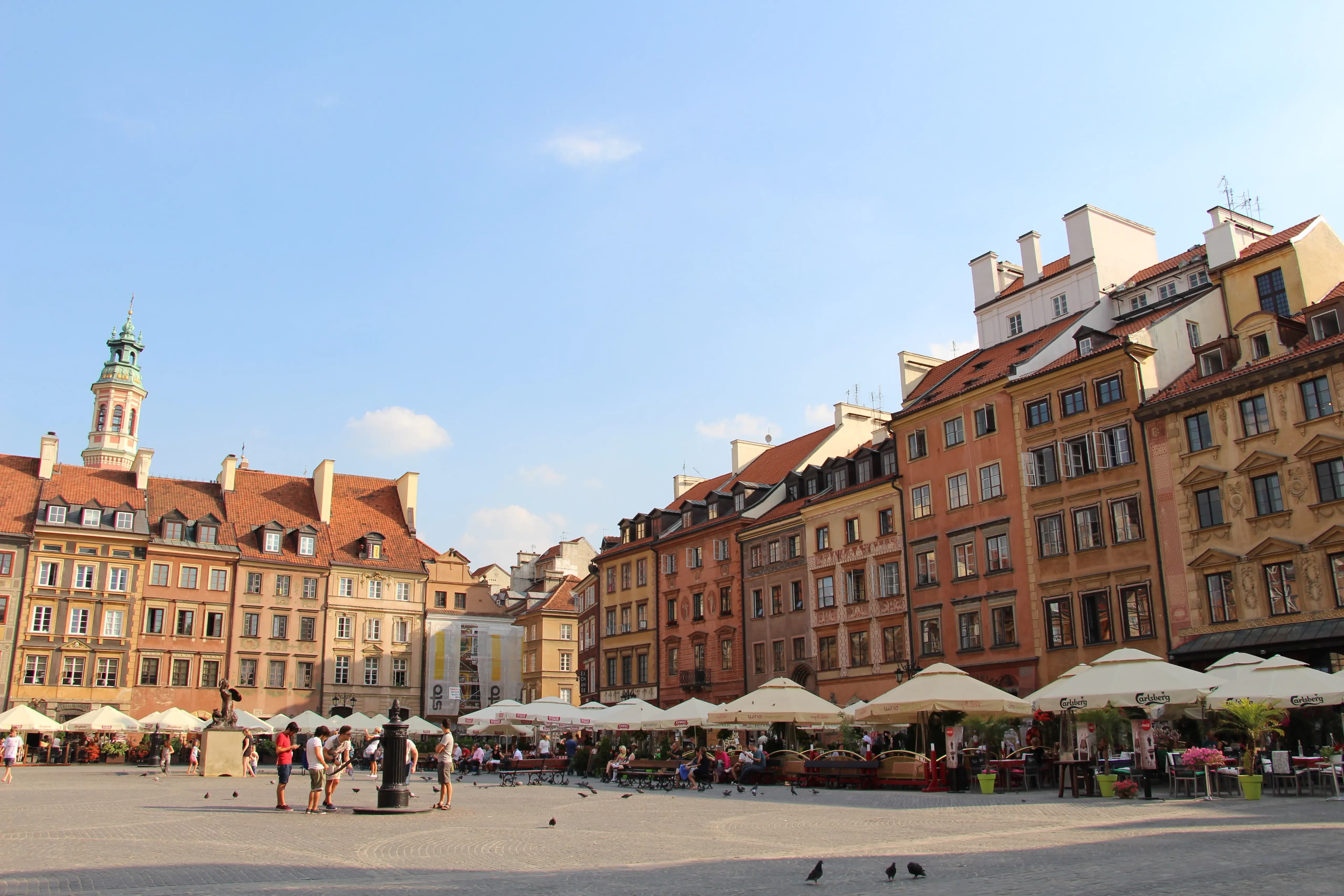
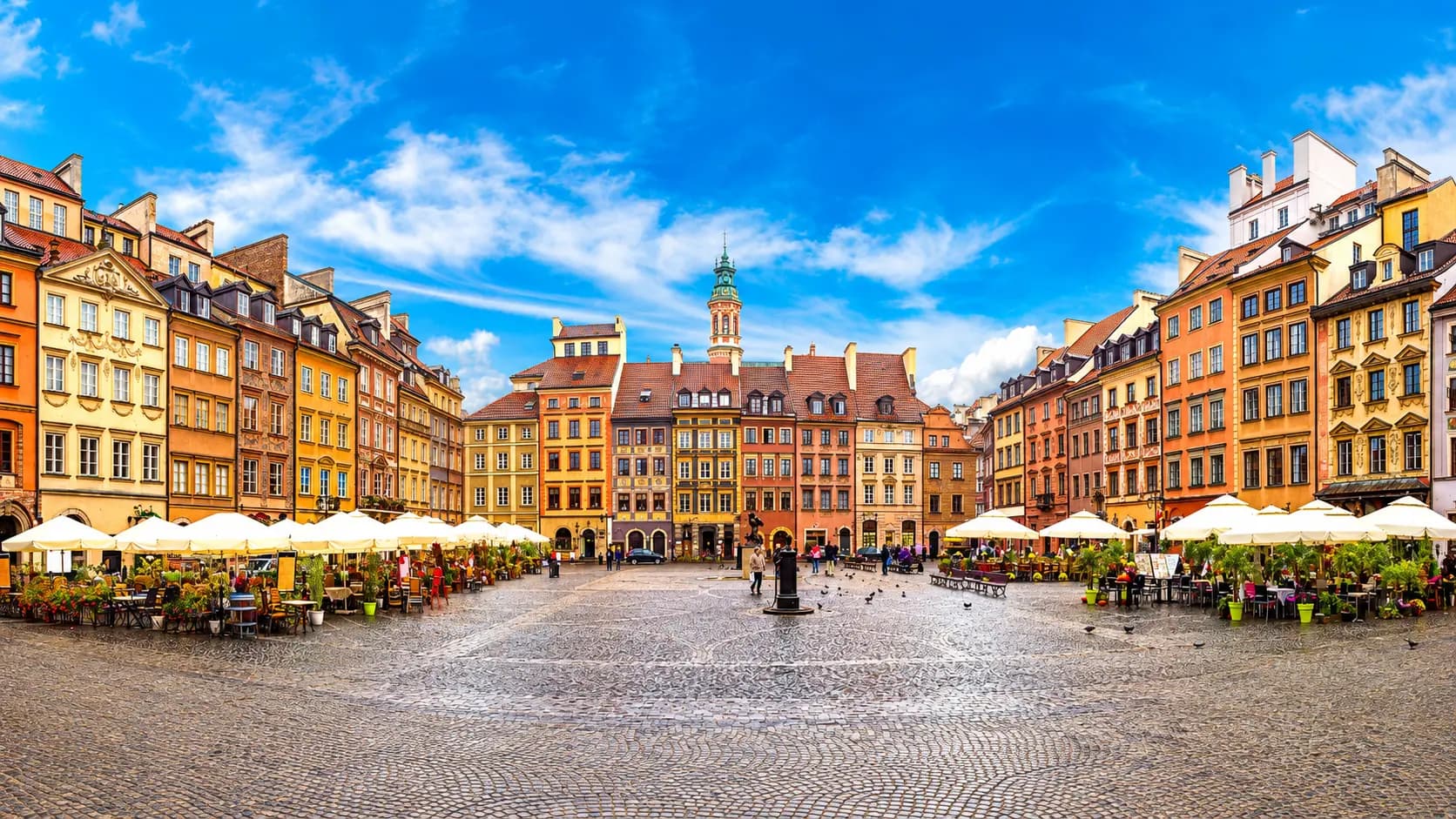
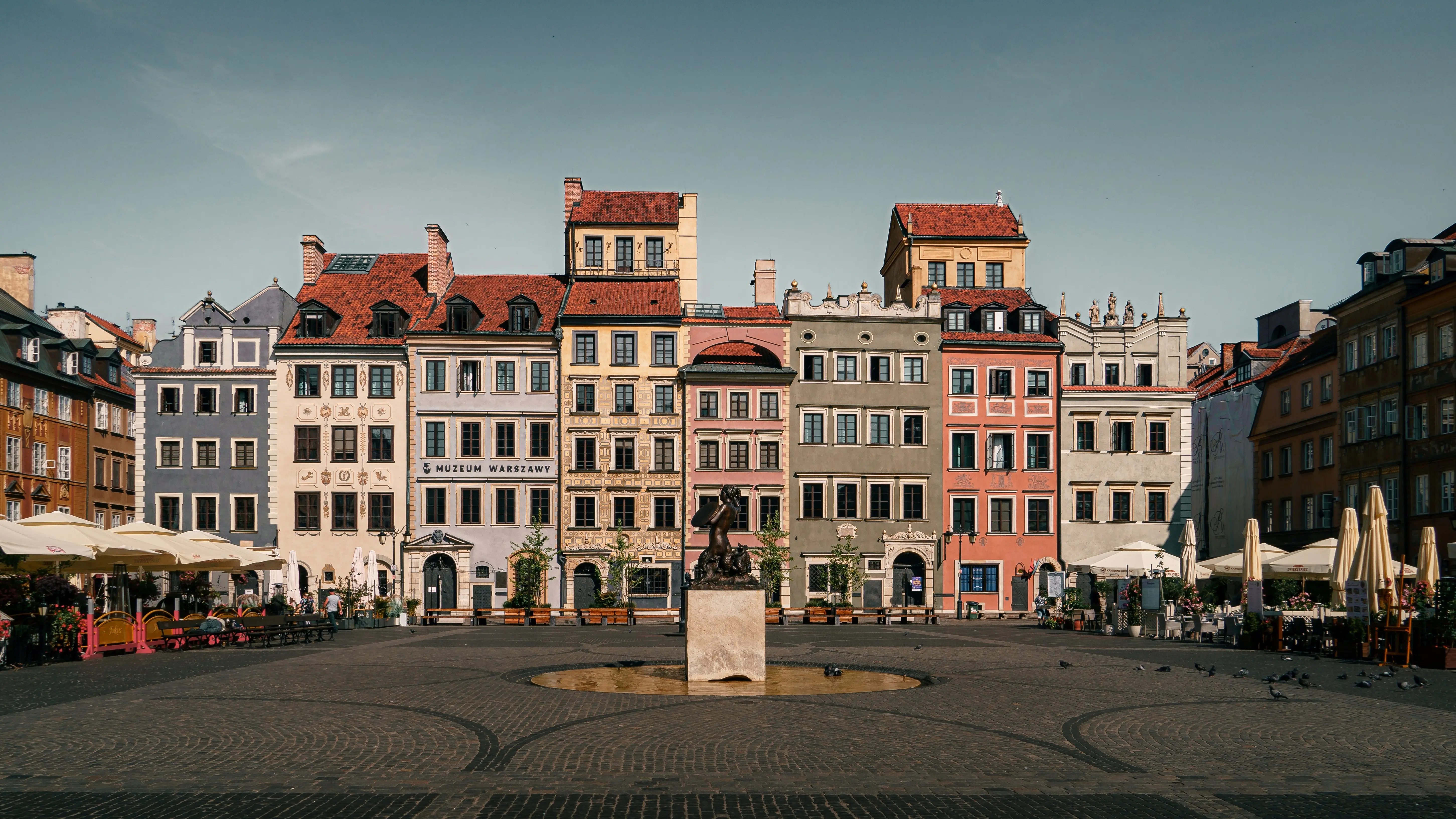
The Museum of Warsaw begins with a deceptively simple idea: a city can be understood through the things people make, use, keep and remember. A photograph, a package or a fragment of a building may open a story that a panoramic view cannot tell. Its home in townhouses on the Old Town Market Square makes that approach especially effective. You are not leaving the city behind to enter a neutral exhibition space. The buildings around you are part of the subject.
Start with objects rather than a checklist of events
The museum’s core exhibition, The Things of Warsaw, organizes the encounter around collections and themes. Maps, postcards, clothing, photographs, silverware and packaging offer different routes into urban life.
Choose an object that seems familiar, then ask what makes it specific to Warsaw. Who produced it? Who used it? Was it expensive, ordinary, fashionable or intended to represent the city to someone elsewhere?
These questions make the museum accessible without requiring detailed prior knowledge of Polish history. The object provides a starting point, and its label and context allow the story to grow.
The townhouses are also part of the collection
The history of the museum’s buildings reveals changes in the northern side of the market square. Owners, architectural alterations and the later conversion of houses into museum spaces all belong to that account.
The city acquired several of the houses for museum use before the Second World War. Their postwar reconstruction and later opening to visitors added another chapter. The important point is not to memorize every change of ownership, but to notice that these were buildings with lives before they became display spaces.
Look at the relationship between rooms and collections. A museum fitted into townhouses feels different from one planned as a single open exhibition hall, and that difference can sharpen your awareness of the architecture outside.
Warsaw as an image
Maps, views and photographs invite you to compare the city itself with ways of representing it. A postcard selects a scene; a map organizes space; a portrait places an individual within the urban story.
For a particularly focused visit, follow one of those threads. Think about what is included, what is left out and who might have been the intended audience. The same questions apply to the photographs visitors take today.
The museum’s Warsaw Mermaid material also places the familiar city symbol within a collection. Our Old Town guide explains its role in the market square; here, attention shifts toward objects, changing representations and the ways a symbol is reused.
Everyday Warsaw beyond the monumental city
Packaging and designed household objects can offer a different impression from palaces and memorials. They point toward shopping, production, domestic routines and the tastes of the people who used them.
This makes the museum a useful choice after a first sightseeing walk. Once the main landmarks are familiar, smaller details have somewhere to attach: the name on a sign, the shape of a street or an object in a shop window.
We recommend selecting a few collection themes and allowing them to lead the visit. The aim is not to inspect every case, but to leave with a more attentive way of looking at Warsaw.
Return to the streets with a different eye
Check the current exhibition route and access arrangements, particularly when historic interiors and level changes affect your plans. Allow enough time to explore the building as well as the displays.
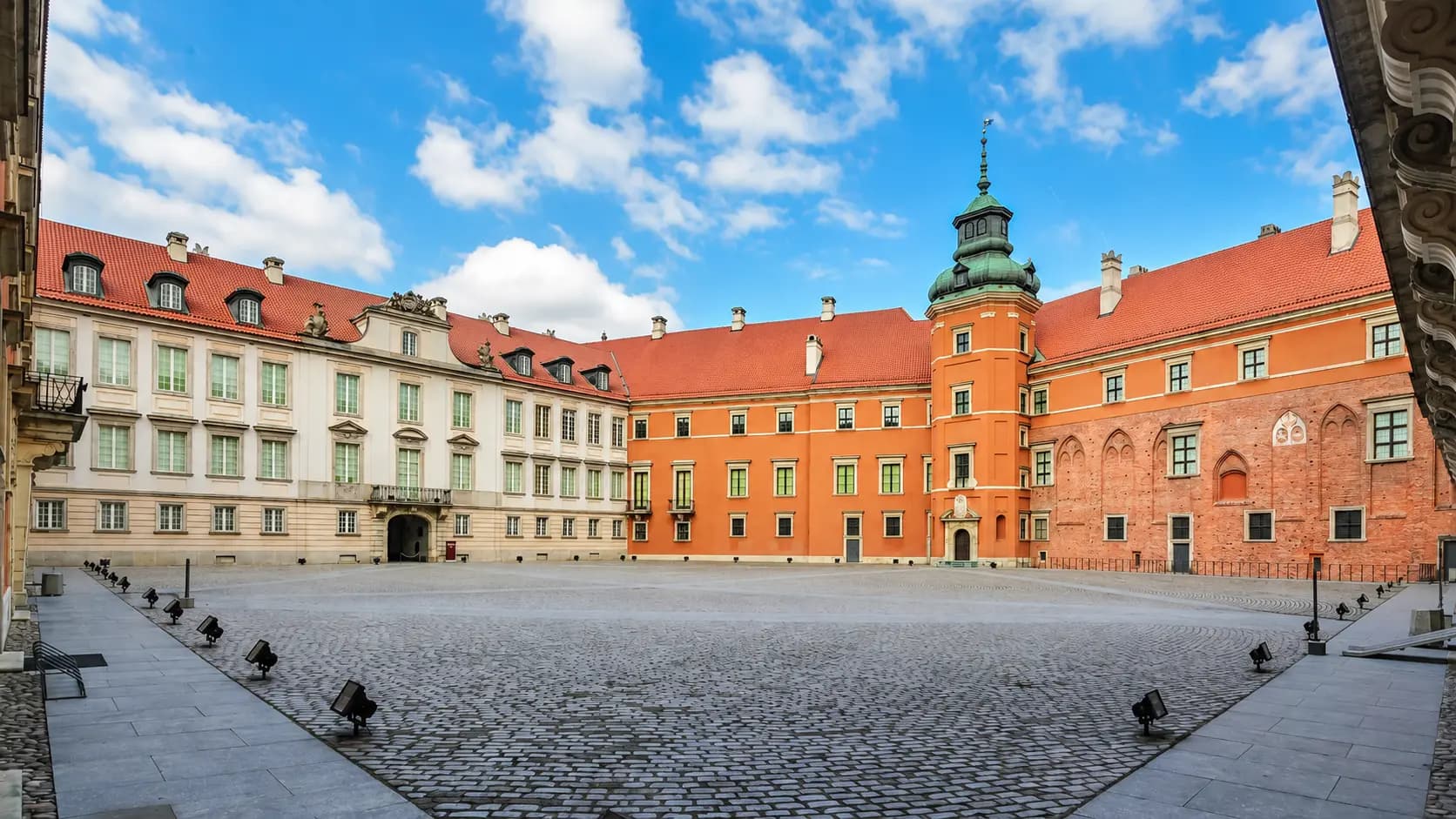
The New Town is a useful next outdoor chapter, with Freta Street and another historic market square. The Royal Castle offers a contrast through court life and royal collections. Our Warsaw guide connects these choices without treating the city’s museums as interchangeable versions of the same story.
YOUR WARSAW VISIT
See Warsaw your way
From an Old Town walk to a longer stay in the capital, tell us what you would like to experience. Share your dates, group size and interests, and we will help shape a visit around you.